Why Functional Beverages Are Replacing Alcohol for Many Consumers
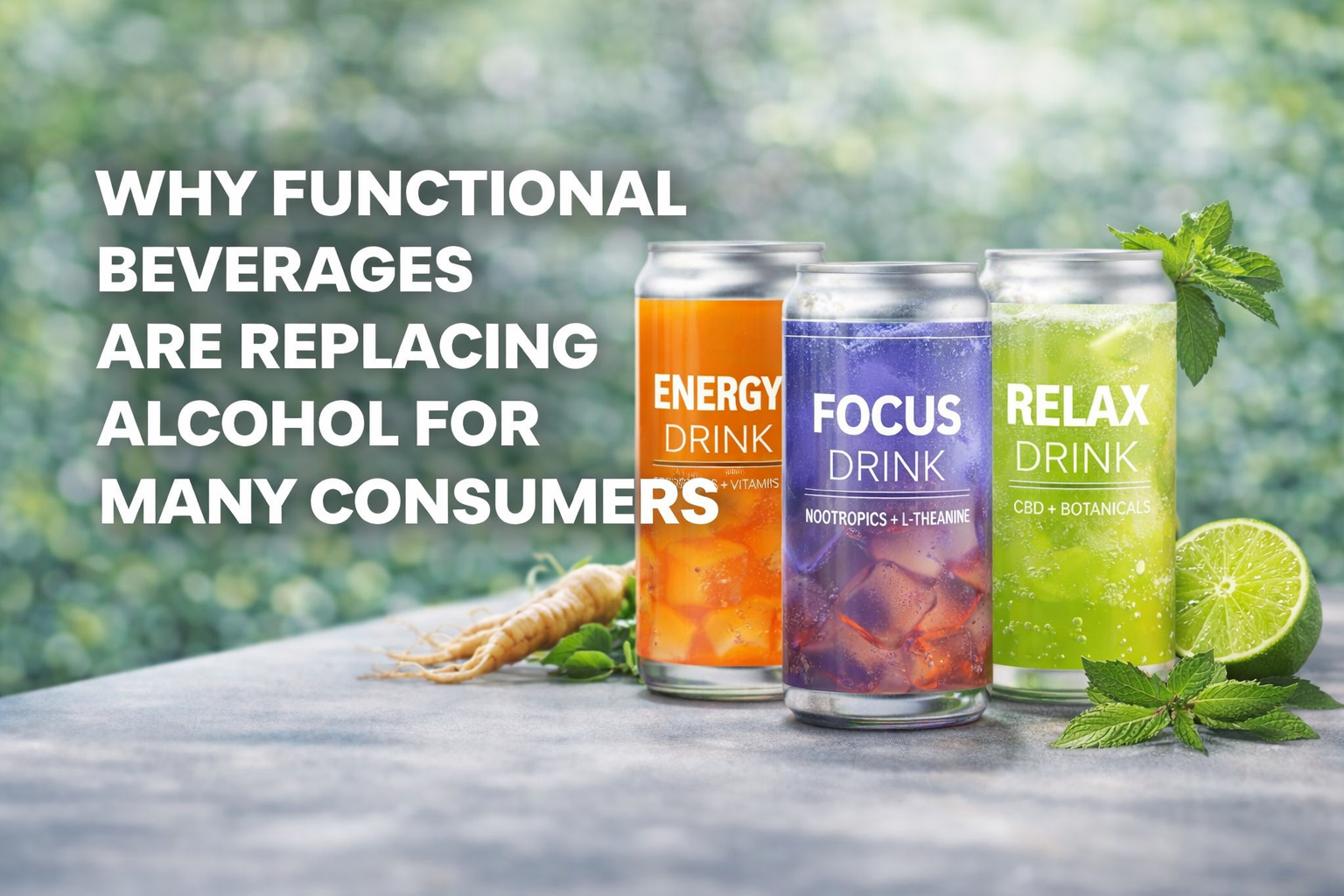
There’s a shift happening, and it’s not subtle anymore. More people are rethinking their relationship with alcohol and looking for alternatives that better fit their lifestyle. That’s where functional beverages come in.
Functional drinks are designed to do more than just taste good. Whether it’s boosting energy, improving focus, reducing stress, or helping with recovery, these beverages are built with purpose. Ingredients like adaptogens, nootropics, vitamins, and botanicals are becoming more common, and consumers are paying attention.
One of the biggest drivers behind this shift is how people want to feel. Alcohol has long been associated with socializing and unwinding, but it also comes with trade-offs—hangovers, poor sleep, and next-day fatigue. Functional beverages offer a different path. You can still have a ritual, still have a drink in hand, but without the downside.
Another factor is transparency. Today’s consumers are reading labels. They care about ingredients, sugar content, and overall health impact. Functional beverage brands are responding by simplifying formulations and being more upfront about what’s inside.
There’s also a generational component. Younger consumers are leading the charge, but this isn’t limited to one age group. Across the board, people are becoming more intentional about what they consume. It’s less about cutting things out entirely and more about making smarter choices.
What’s interesting is that this isn’t about replacing alcohol completely. It’s about creating options. There are still occasions where people will choose traditional drinks, but functional beverages are carving out their own space—and it’s growing quickly.
As the category matures, expect better flavor profiles, more targeted benefits, and increased accessibility. The brands that succeed will be the ones that strike the right balance between function and drinkability.